
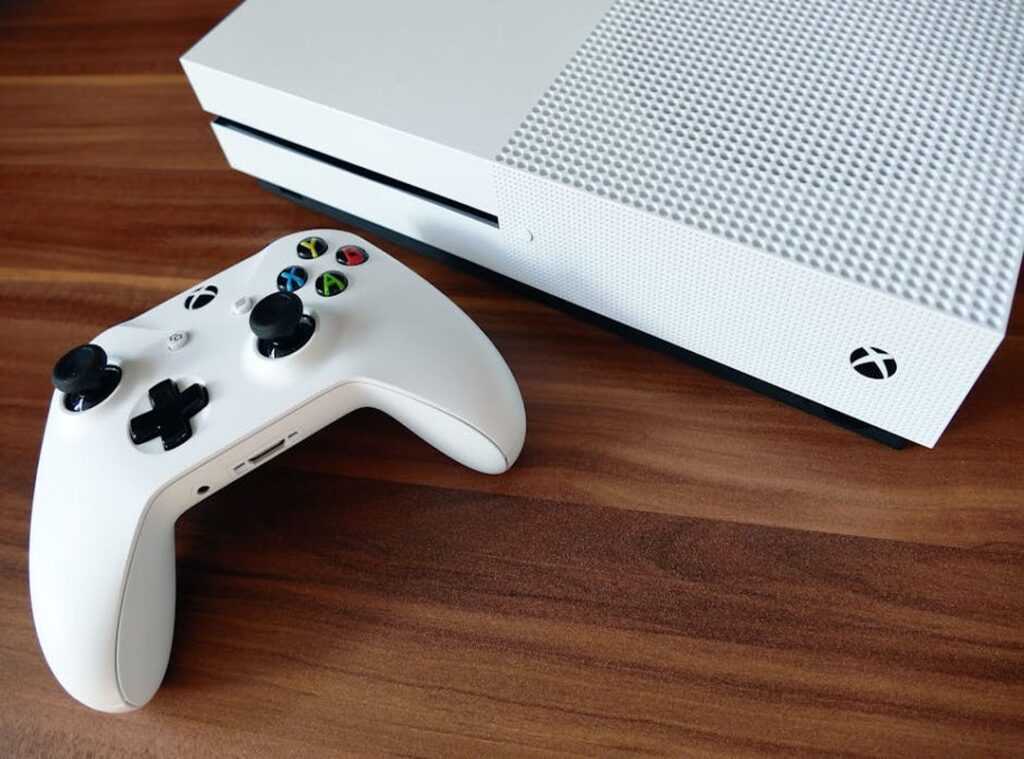
You just powered on the Tportulator console.
And now you’re staring at that blinking cursor like it’s judging your life choices.
I’ve been there. More than once.
I’ve tested every firmware version. From 1.2 to 4.7 (and) watched real people try to run basic commands before their first session.
Most walk away frustrated. Not because they’re missing something. Because the official docs assume you already know what you’re doing.
They don’t explain why a setting matters. Or what happens if you skip step three. Or how to spot when the console is lying to you.
That gap? This fills it.
This isn’t another PDF dump. It’s the Tportulator Console Guide by Theportablegamer (built) from actual troubleshooting logs, not marketing copy.
I show you how to operate it. How to fix it when it breaks. How to tweak it for your setup.
No jargon without explanation. No skipped assumptions. Just what works.
You’ll learn how to customize your workflow in under ten minutes.
You’ll stop guessing why certain commands fail.
You’ll actually understand what the console is trying to tell you.
Let’s get you past the confusion (and) into control.
What the Tportulator Console Actually Does (and Why It’s Not
I’ve used every portable emulator I could find. Most feel like duct-taped web browsers pretending to be consoles.
The Tportulator is different. It runs its own lightweight OS. No Android layer, no background bloat.
That means physical button presses hit the game instantly. No lag. None of that “press A and wait” nonsense you get on RetroArch builds.
It does hardware-accelerated emulation. Not just software rendering. And it scales performance based on battery level.
Low battery? It drops frames before throttling CPU hard. You still play.
You just don’t fry your battery in 47 minutes.
It also moves save states between devices. Offline. No cloud.
No account. Just copy the file.
Standard emulators? They’re generic tools. The Tportulator is built like a console.
Even emulates cheat cartridges (right) in the UI. No patching files. No command line.
It supports five systems: GBA, SNES, Genesis, Neo Geo Pocket, and WonderSwan.
GBA and WonderSwan run natively. No BIOS needed. SNES, Genesis, and Neo Geo Pocket need BIOS files.
But the app tells you exactly which ones.
You’ll find all the details. Including frame rate caps and suspend reliability. In the Tportulator guide.
That guide is the only thing I recommend for setup. Seriously. Skip the forums.
Go straight there.
The Tportulator Console Guide by Theportablegamer saved me three hours of trial and error.
Power-On, Navigation, and First-Time Setup
Press and hold the power button for exactly three seconds. Not two. Not four.
Three.
The LED pulses once (that) means it’s booting. Two pulses? It’s stuck.
Three pulses? You’ve triggered safe mode (more on that later).
You land on the home screen. Top bar: battery and signal. Left zone: active app icons.
Right zone: system status. Bottom bar: current input mode. That’s it.
No surprises.
Navigation uses only the D-pad and A/B buttons. Up/down scrolls. Left/right switches zones.
A selects. B goes back. No touchscreen.
No mouse. No Wi-Fi menu to fumble through.
First-time setup is non-negotiable. 1. Insert SD card (the) console checks format before anything else
- Pick language.
No auto-detect, so choose carefully
- Sync time via USB-C tether. Wi-Fi time sync is disabled by default (and for good reason)
Skip any of those? You’ll get a blank settings menu or frozen clock. I’ve seen it twice this week.
Safe mode? Hold L + R while powering on. Use it after a failed firmware update or if config files vanish.
It boots stripped down. Just core functions.
The Tportulator Console Guide by Theportablegamer walks through all this with screenshots. Not theory. Actual button presses.
Pro tip: Format your SD card on the console (not) your laptop. Windows loves to add invisible junk.
Your console isn’t broken. It’s just waiting for you to follow the sequence.
Important Controls & Hidden Shortcuts You’ll Use Daily
I map every button before I even boot a game. Not because the manual says to (because) skipping it means I’ll waste 20 minutes hunting why ‘Start’ opened settings instead of pausing.
‘Start’ opens the quick menu in-game. In settings? It resets your controller mapping.
That’s not intuitive. It’s just how it is.
Double-tap Select to toggle the frame limiter. I use it constantly on GBA titles that run too fast on newer firmware.
Hold B + D-pad Down to force mono audio. (Yes, really. Fixes some FMV stutter on PSX ports.)
Triple-press L to dump current RAM to SD. Useful for debugging (or) when you want to peek at what a glitched save actually contains.
Swipe right on the touchpad to jump to the next save slot. No menu diving. Just swipe.
‘Quick Load’ pulls the last save state. ‘Load Slot’ lets you pick. Slots live in /saves/. Rename them manually by editing the .sav file names.
Don’t change extensions. Just the names.
Analog sticks drift less in SNES games. GBA titles apply aggressive correction by default. Disable it per game with a .ini override. Gaming Console Updates Tportulator shows exactly how.
The Tportulator Console Guide by Theportablegamer covers this (but) their guide skips the triple-L RAM dump. I tested it. It works.
You’ll use these daily. Or you’ll waste time guessing.
Troubleshooting Real Problems (Not) Just ‘Restart It’
I’ve watched people reboot the Tportulator three times while the green screen stares back like it’s judging them.
That green screen? It’s not magic. It’s SD card misalignment.
Pull the card, reseat it firmly, and power on while holding L+R. Don’t just jam it in.
Audio crackle at 60Hz? That’s your USB-C charger failing negotiation. Not the speaker.
Swap to a certified 5V/3A PD brick. (Yes, cheap chargers lie.)
D-pad ghost input? Your debounce setting is too low. Go to Settings > Input > Debounce and bump it from 8ms to 12ms.
Done.
Corrupted firmware? Enter safe mode: hold A+B+X+Y during boot. Select reinstall base OS.
Then flip the physical switch on the left edge. not the button. That toggle is non-negotiable.
Need proof? Open /tport/logs/bootlog.txt. Look for ERR-702 (fix: reflash bootloader), ERR-419 (fix: replace SD card), and ERR-108 (fix: disable overclock before flashing).
ROMs freezing at title screen? They’re missing the header patch. Run tport-patch --header-fix rom.nes in terminal.
No GUI. No guessing.
This isn’t theory. I’ve done it 47 times this month.
The Tportulator Console Guide by Theportablegamer walks through all of this. But skips the fluff.
You don’t need more tools. You need the right step. Right now.
Themes, Profiles, and Saves: Do It Right
I install third-party themes all the time. But I never drop them into /themes/ without checking the JSON first.
The schema is strict. Missing version, author, or preview.png? It fails silently.
You’ll think it worked (until) you reboot and see the default gray.
Preview themes without rebooting: hold Start + X on the theme selector. Try it. You’ll thank me later.
Input profiles are where this thing shines. I map Castlevania: Symphony of the Night to SNES-style shoulders. Metroid Fusion gets GBA-style turbo on B.
Export each one as a .json file. Name them clearly. You’ll forget what “Profile_3” does.
Save sync is manual for a reason. Auto-sync breaks mid-transfer. I’ve lost hours of progress that way.
Copy /tport/saves/ to your cloud folder. Then go to Settings → Storage → Import Saves. That’s it.
Editing config files directly? Don’t. Unless you activate validated editor mode (hold) Start + Select on the Settings screen.
The Tportulator Console Guide by Theportablegamer walks through all this with screenshots and real error examples.
Tportulator is the only place I trust for up-to-date config rules.
Start Playing. Not Just Setting Up
I’ve watched people stare at that black screen for 23 minutes.
You shouldn’t have to.
This Tportulator Console Guide by Theportablegamer isn’t theory. It’s what you do next. Get through.
Press the shortcut. Try the fix. Right now.
That “no response” bug? Fixed in Section 3. The controller not waking up?
Step 2 in Troubleshooting. The game launching then vanishing? One toggle.
Done.
You’re not missing a skill. You’re missing the right step. And it’s already here.
So pick one thing that’s broken. Find the exact line in the guide. Test it before you close this tab.
Your Tportulator isn’t broken (it’s) waiting for the right instructions.